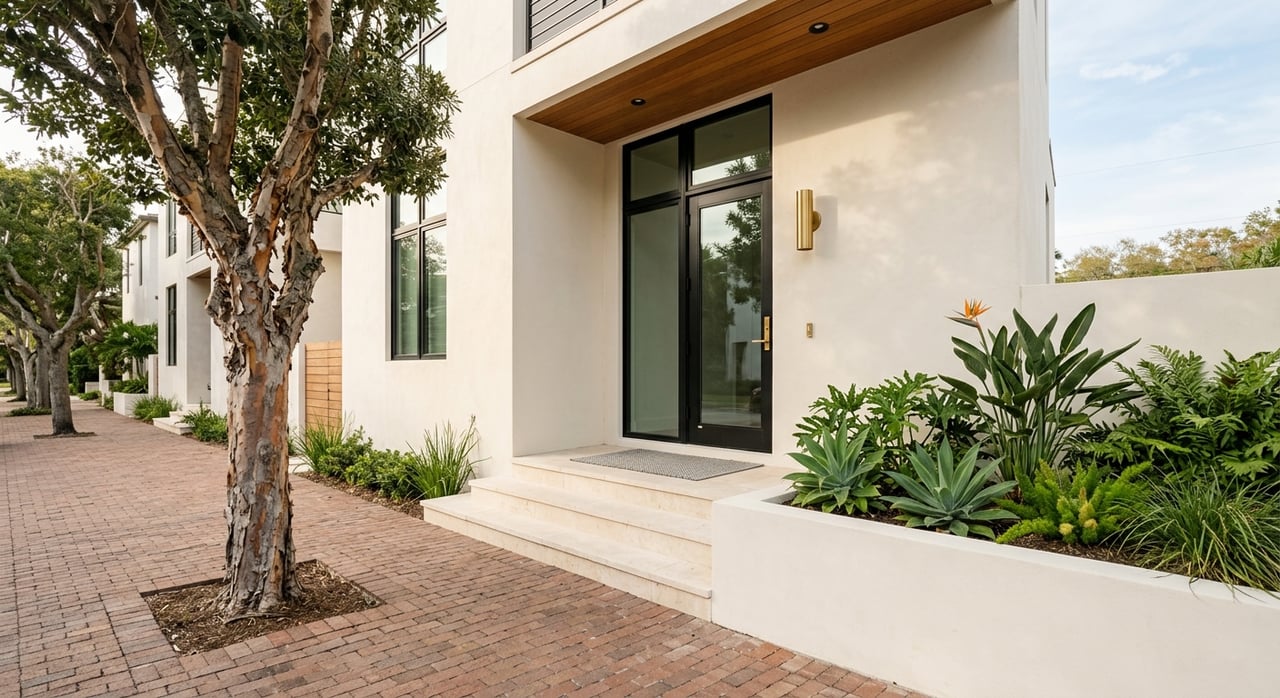
If you want an in-city Tampa lifestyle without giving up neighborhood character, Hyde Park deserves a close look. For many urban professionals, the challenge is finding a place that feels connected, walkable, and convenient while still offering a distinct residential setting. In Hyde Park, you can get a clearer picture of the housing options, daily lifestyle, and how the neighborhood compares with other nearby districts. Let’s dive in.
Why Hyde Park Stands Out
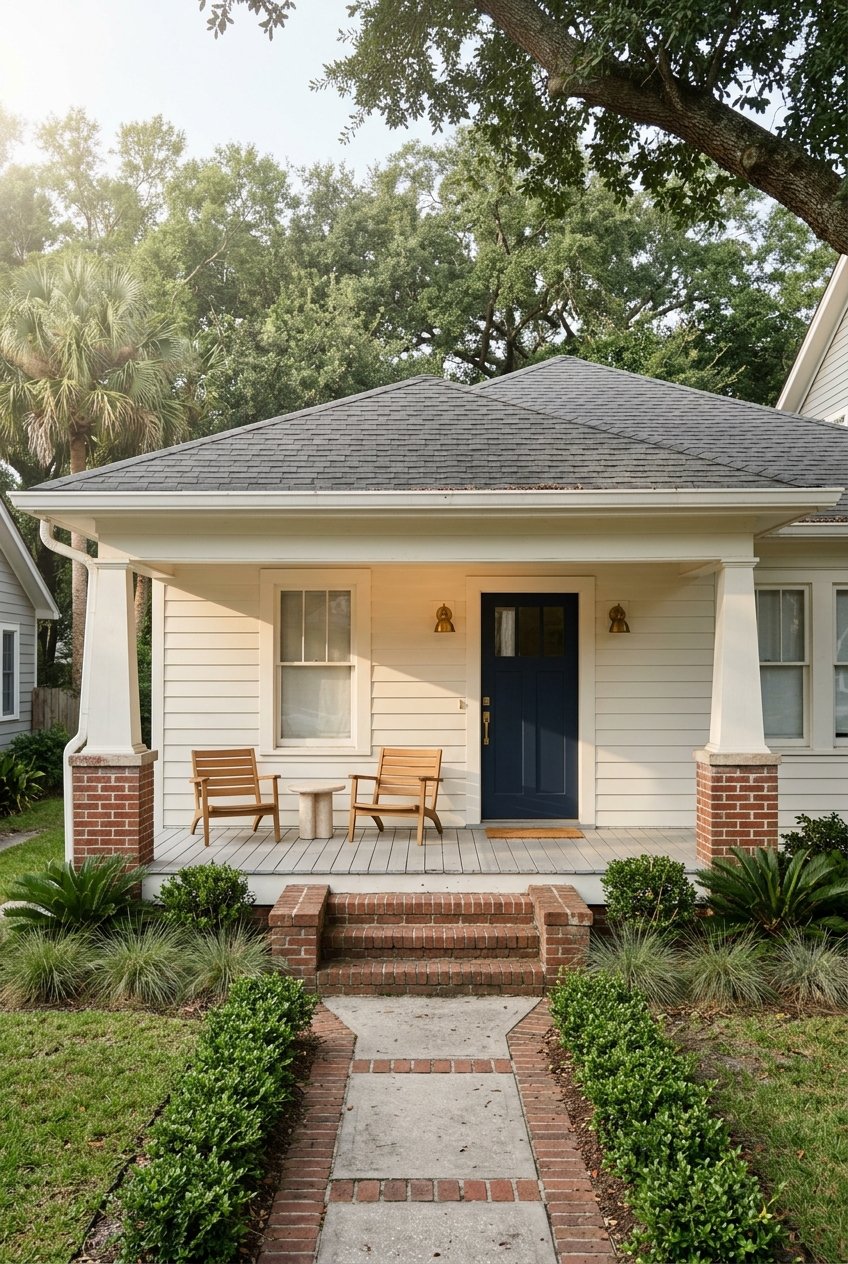
Hyde Park sits immediately west of Downtown Tampa across the Hillsborough River, which gives you close access to the urban core while keeping a more established neighborhood feel. According to the City of Tampa’s Historic Hyde Park overview, the area is known for renovated historic homes, especially Florida architecture from the 1920s and 1930s, along with the well-known Old Hyde Park Village retail district.
That historic identity is not just a marketing phrase. The local historic district expanded on January 5, 2023, adding 184 buildings and reinforcing Hyde Park’s preservation-oriented character, as noted by the City of Tampa. If you are drawn to neighborhoods with architectural texture and long-term identity, that matters.
Housing in Hyde Park
Historic Homes and Attached Options
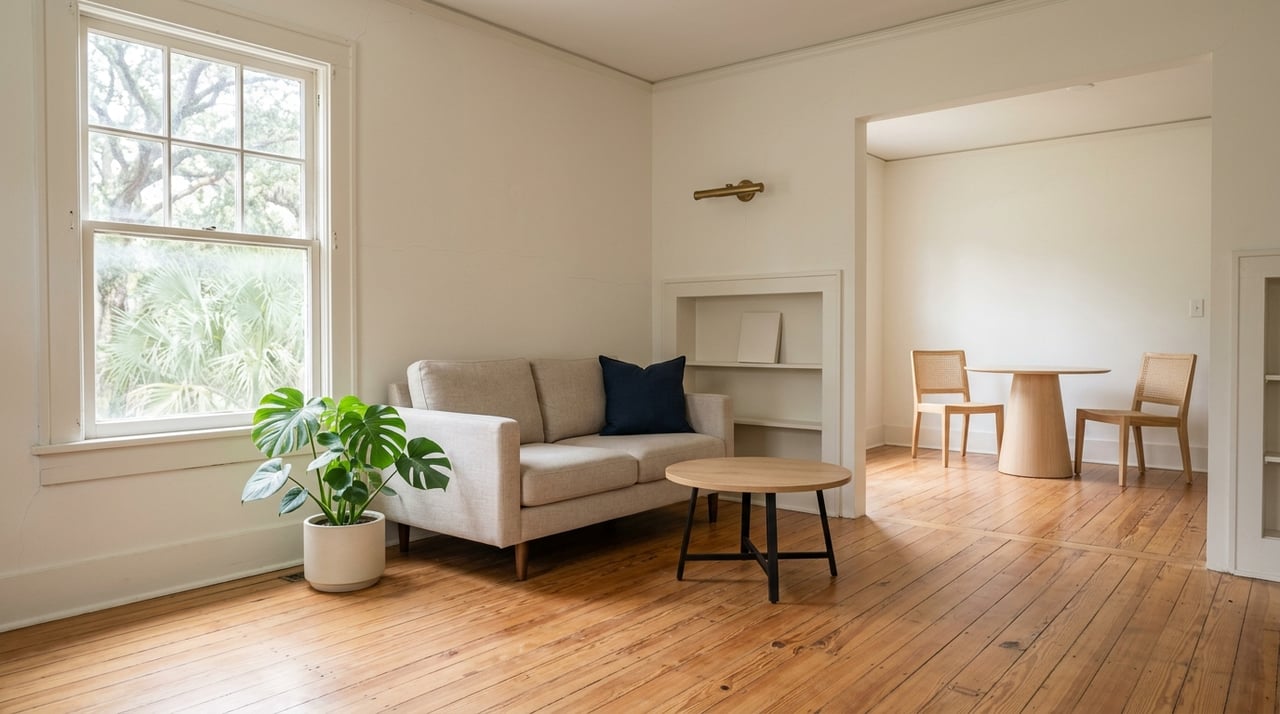
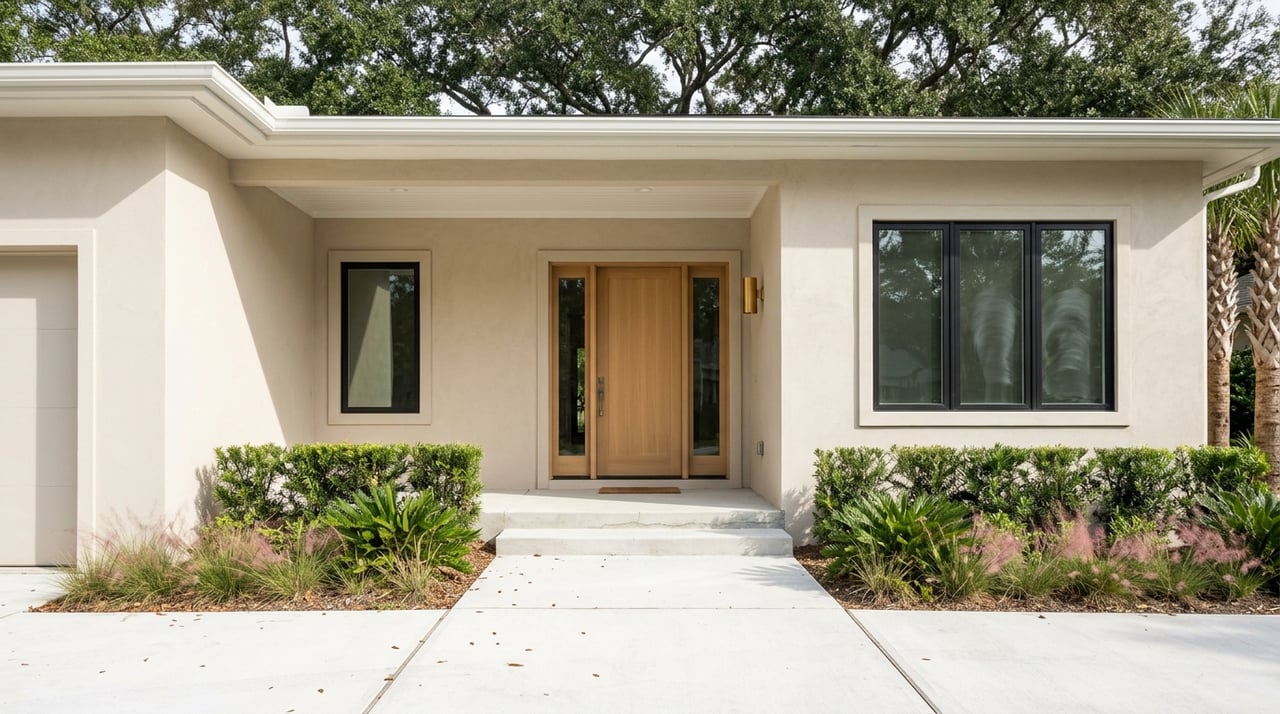
Hyde Park’s housing mix centers on historic residential streets with some attached housing woven in. This gives you a broader range of choices than you might expect, from older detached homes to condominiums in established in-city locations.
Current market data from Realtor.com’s Hyde Park overview shows a median listing home price of $559,900, median rent of $3,100, and 53 median days on market. The same source identifies Hyde Park as a seller’s market, which suggests that well-positioned properties can still attract steady interest.
Condos vs. Townhomes
If you are focused on lower-maintenance living, condos are the deeper option in Hyde Park right now. Realtor.com’s condo search for Hyde Park shows 33 condo listings compared with just 1 active townhome listing under the townhome filter.
That difference matters if you want flexibility and more choices in the attached-housing segment. Condo inventory ranges from smaller units near W Horatio Street and S Cedar Avenue to higher-end options along Bayshore Boulevard, which points to a fairly broad price spectrum depending on location, size, and building style.
What This Means for Urban Professionals
For many professionals, Hyde Park works well because it can offer multiple ways to live close to Downtown Tampa. You may prefer a historic home with character, or you may want a condo that simplifies maintenance and keeps you close to shops, dining, and major work hubs.
The key is understanding that condos are easier to find than townhomes in the current market. If attached living is your priority, a condo search may give you the most immediate options.
Daily Life in Hyde Park
Walkability and Errands
Hyde Park is one of Tampa’s more walkable urban neighborhoods, though it is not a place where most people rely on transit alone. Walk Score’s Hyde Park page rates Hyde Park at 70 overall, Historic Hyde Park at 74, and Hyde Park North at 79.
In practical terms, that points to a car-light lifestyle being realistic for many errands and outings. If you want to walk to coffee, dining, or retail more often, Hyde Park offers a better fit than many other Tampa neighborhoods with a more suburban layout.
Dining and Social Spots
Hyde Park also has a built-in social and lifestyle advantage. Walk Score notes about 22 restaurants, bars, and coffee shops in the broader neighborhood, while Historic Hyde Park has about 61, which helps explain why the area stays popular with residents who value convenience and variety.
The neighborhood’s main anchor is Hyde Park Village, which its official site describes as a six-block destination with local boutiques, national brands, culinary options, a Fresh Market, a boutique hotel, parking options, and pet-friendly outdoor spaces. For many buyers, this is the center of daily life in Hyde Park and a major reason the area feels active without feeling overly dense.
Work and Flexibility
For professionals who work remotely or in hybrid settings, Hyde Park offers another lifestyle layer. Hyde Park Village is home to Hyde House Public Studio, which adds coworking and event space designed for entrepreneurs, creatives, and young professionals, according to the Village’s official site.
That can be especially appealing if you want an office alternative close to home. It gives the neighborhood a more functional live-work-play rhythm instead of serving only as a residential address.
Outdoor Amenities and Recreation
Bayshore Boulevard Access
One of Hyde Park’s biggest lifestyle draws is its proximity to Bayshore Boulevard. The City of Tampa’s Bayshore Boulevard Greenway page describes it as one of the longest continuous sidewalks in the United States, with a 4.5-mile scenic route, a 10-foot-wide sidewalk, and a 3-mile on-road bike lane.
If your ideal neighborhood includes space to run, bike, or take a waterfront walk before or after work, this is a major point in Hyde Park’s favor. It is one of the features that makes the area feel especially well suited to active urban living.
Parks Nearby
Green space also adds to Hyde Park’s day-to-day appeal. The City of Tampa splash pad page lists Anderson Park at 821 S Rome Ave as a Hyde Park splash-pad and playground location.
Across the river, Julian B. Lane Riverfront Park offers an even larger recreation option with 25 acres, a boathouse, play areas, sports courts, and river access, according to the same city source. Even if you are shopping for an urban neighborhood, access to outdoor amenities can shape how livable a place feels over time.
Commuting and Getting Around
Is Hyde Park Car-Free Friendly?
Hyde Park supports a car-light lifestyle more than a fully car-free one. Walkability is strong enough for many daily needs, but transit access is not equally strong across the whole neighborhood.
The northern edge has the best transit connectivity. A Walk Score example near Hyde Park North notes an eight-minute walk to the Tampa Historic Streetcar at Dick Greco Plaza, along with nearby bus lines including 19, 5, 30, and 1.
How Close Is Downtown Tampa?
Hyde Park’s location is one of its main advantages for professionals who work or spend time downtown. Exact commute times vary by address, but Walk Score examples near Hyde Park North show very short downtown commute estimates, including 2-minute and 4-minute examples, based on nearby routing.
That closeness is a big part of Hyde Park’s appeal. You can stay near Downtown Tampa’s employment and cultural core while living in a neighborhood that feels more residential and architecturally established.
Hyde Park vs. Other Urban Tampa Areas
Compared With Downtown Tampa
Hyde Park offers a different experience than Downtown Tampa. Based on Realtor.com market pages, Hyde Park’s median listing price is $559,900, compared with $1,254,824 in Downtown Tampa.
The same source shows 53 median days on market in Hyde Park versus 175 in Downtown Tampa. That suggests Hyde Park remains a premium in-city option, but with a housing profile that is less high-rise-driven and potentially more approachable than the downtown core.
Compared With Channel District
Channel District is another common comparison for buyers seeking an urban Tampa lifestyle. Realtor.com data shows a median listing price of $635,000 in Channel District versus $559,900 in Hyde Park, and 82 median days on market in Channel District compared with 53 in Hyde Park.
For some buyers, Channel District may feel more vertical and newer. Hyde Park may appeal more if you want an urban location with stronger historic identity and a more residential street presence.
Compared With North Hyde Park
North Hyde Park is often part of the same search. The City of Tampa’s North Hyde Park page describes it as an older neighborhood west of Downtown with historic cracker-style homes and newer stucco buildings.
The research also notes that Realtor.com places North Hyde Park’s median home price at $649,000, while Walk Score rates it at 79 with stronger transit and bike access than Hyde Park. In simple terms, Hyde Park reads as the more historic, Village-centered choice, while North Hyde Park feels more mixed-use and transitional.
Is Hyde Park Right for You?
Hyde Park tends to fit buyers who want a polished in-city lifestyle with neighborhood character. If you value walkability, a recognizable local district, access to Bayshore Boulevard, and a mix of historic homes and condos, it checks many of the right boxes.
It may be especially appealing if you want to stay near Downtown Tampa without living in a more vertical or fully core-urban environment. The lifestyle here is about balance: connected but residential, active but grounded, and urban without losing a sense of place.
If you are weighing Hyde Park against other Tampa neighborhoods, working with a local team that understands pricing, inventory, and block-by-block differences can help you narrow the search faster. When you are ready to explore your options, start a conversation with Acropolis Realty Group Tampa.
FAQs
Is Hyde Park in Tampa walkable for urban professionals?
- Yes. Walk Score rates Hyde Park at 70 overall, which suggests a car-light lifestyle is realistic for many errands and outings, though it is not a fully transit-dependent neighborhood.
Are condos or townhomes easier to find in Hyde Park?
- Condos are easier to find right now. Realtor.com’s Hyde Park condo page shows significantly more condo inventory than townhome inventory.
How expensive is Hyde Park compared with other urban Tampa neighborhoods?
- Current Realtor.com data shows Hyde Park with a median listing price of $559,900, which is lower than Channel District at $635,000 and lower than Downtown Tampa at $1,254,824.
What makes Hyde Park different from Downtown Tampa?
- Hyde Park offers closer-to-downtown living with a more historic and residential setting, while Downtown Tampa is generally more high-rise-driven and urban-core in character.
Does Hyde Park have good outdoor amenities?
- Yes. The neighborhood benefits from access to Bayshore Boulevard, Anderson Park, and nearby Julian B. Lane Riverfront Park for walking, biking, and recreation.