Thinking about selling a historic Hyde Park home? You are not selling a standard property. In one of Tampa’s most established and architecturally significant neighborhoods, buyers look at more than square footage and bedroom count. They notice authenticity, condition, updates, and how well a home’s historic character has been preserved. This guide walks you through how to price, prepare, market, and time your sale so you can make confident decisions before your listing goes live. Let’s dive in.
Why Hyde Park Requires a Different Strategy
Hyde Park is Tampa’s oldest existing neighborhood and sits just west of downtown across the Hillsborough River. According to the City of Tampa’s Hyde Park preservation overview, the local historic district covers about 367 acres, includes 1,223 buildings, and contains 835 contributing structures. The district was listed on the National Register in 1985 and locally designated in 1988.
That matters when you sell. In Hyde Park, architecture, streetscape, and preservation status can shape buyer interest just as much as size or layout. A well-preserved home with documented improvements may compete very differently than a similar-sized home with unclear repairs or changes.
Start With Preservation Readiness
Before you think about list price or photos, make sure your home is ready from a preservation and documentation standpoint. The City of Tampa historic preservation program notes that changes to contributing structures should be architecturally appropriate, and the city’s guidelines address details such as windows, roofs, porches, garages, siding, stucco, fences, woodwork, and landscape elements.
If you have completed exterior work, additions, or repairs, gather your records early. Buyers will want to understand what is original, what has been restored, and what has been replaced. Having permit records, contractor invoices, and any applicable preservation approvals ready can reduce uncertainty during the sale process.
What Buyers Often Want to See
A clean documentation package can help your home feel more credible and better cared for. Before listing, it helps to organize:
- Permit records for major exterior work
- Contractor invoices and repair history
- Any approval records tied to preservation-related updates
- A summary of notable improvements and dates completed
- Maintenance records for major systems, if available
The goal is simple: make it easy for buyers to understand the home’s story.
Repair Before Replacing When Possible
Federal guidance from the National Park Service supports a preservation-minded approach. It advises that deteriorated historic features should be repaired rather than replaced when possible, and if replacement is necessary, the new feature should match the original in design, color, texture, and, where possible, materials.
For you as a seller, that guidance can shape pre-listing decisions. If a buyer sees thoughtful repairs that respect the home’s original character, the property may present as more authentic and more complete. That can support stronger positioning in a niche market like Hyde Park.
Price With Hyperlocal Discipline
One of the biggest mistakes historic-home sellers can make is relying too heavily on broad market averages. Wider Tampa and Florida data can provide context, but Hyde Park homes often need a much tighter pricing lens.
According to the January 2026 Hillsborough County single-family market report, the county had a median sale price of $419,000, 3.6 months of supply, a median time to contract of 38 days, a median time to sale of 92 days, and sellers received a median of 96.2% of original list price. The same report also shows 4,370 active listings. These figures point to an active market, but not one where pricing mistakes are easily forgiven.
For Hyde Park, pricing should be grounded in direct comparable sales, renovation quality, lot characteristics, orientation, and whether changes were properly completed and documented. A historic home is not a commodity. Two homes with similar square footage can land in very different pricing conversations depending on condition and preservation quality.
What Should Influence Price
In a historic Hyde Park sale, pricing usually works best when it reflects the property’s specific strengths and tradeoffs, including:
- Architectural character and curb appeal
- Condition of original features
- Quality of restoration or renovation work
- Lot size, setting, and orientation
- Exterior changes and whether they appear consistent with the home’s character
- Depth of documentation for repairs and improvements
This is where neighborhood-level expertise matters. Small differences can have an outsized effect on buyer perception.
Prepare the Home for Historic Appeal
Historic homes often win buyers emotionally before they win them logically. That means your pre-listing presentation should highlight the details that make the property memorable while still helping buyers picture daily life in the space.
The National Association of Realtors 2025 staging snapshot found that 83% of buyer’s agents said staging makes it easier for buyers to visualize a property as a future home. The same survey found that 49% said staging reduced time on market, and 29% said staging increased the dollar value offered by 1% to 10%.
For a Hyde Park home, staging should support the architecture instead of competing with it.
Features to Emphasize
Focus on the details that help buyers connect with the home’s historic character, such as:
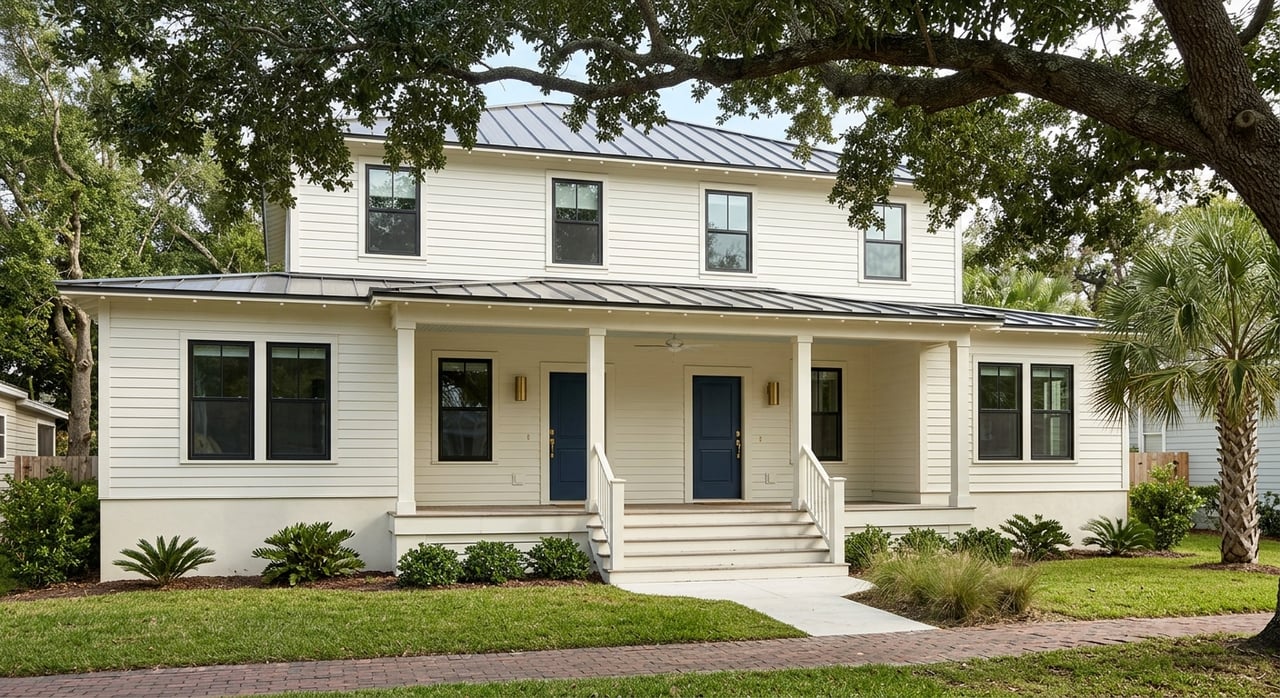
- Front porches and outdoor living areas
- Original trim and millwork
- Hardwood floors
- Stair details
- Ceiling height and natural light
- Indoor-outdoor flow
When rooms are overfurnished, historic homes can feel smaller or more dated than they really are. A lighter touch usually works better.
Invest in Premium Digital Marketing
Many buyers form their first opinion of your home online. That is especially true for a distinctive property in a neighborhood like Hyde Park, where architecture, light, and street presence can influence whether someone books a showing.
Strong photography and video are not optional extras for this type of listing. They help communicate the feel of the home, the craftsmanship, and how the property sits within the streetscape. Premium digital presentation also aligns with what many sellers of distinctive homes expect: polished visuals, broad MLS exposure, and a marketing approach that treats the home as a one-of-a-kind asset.
For historic homes, good visuals should do more than document the space. They should tell a story about scale, character, and livability.
Time the Launch, But Do Not Rush It
Seasonality still matters, even in a unique neighborhood. According to Realtor.com’s 2026 Best Time to Sell report, the national best week to sell is April 12 through April 18, and Florida markets such as Tampa are expected to peak April 19 through April 26.
That is helpful guidance, but timing only works when the house is truly ready. The same report notes that 53% of sellers took one month or less to get their home ready to list, which is a reminder to begin your prep well before your target week.
Readiness Comes First
If your documentation is incomplete, repairs are unfinished, or your media package is not strong, it may make more sense to wait. In a historic market segment, a rushed launch can cost more than a delayed one.
A better strategy is often to:
- Finish repairs and touch-ups
- Organize records and approvals
- Complete staging and media production
- Review pricing against direct local comps
- Launch when the home shows at its best
The right week matters, but the right presentation matters more.
Build a Smart Selling Plan
If you want a smooth sale in Hyde Park, treat the process as a coordinated strategy instead of a simple listing date. Historic homes reward preparation. The more clearly you present authenticity, condition, and quality, the easier it is for buyers to understand the value.
A strong plan usually includes preservation-aware prep, hyperlocal pricing, intentional staging, and premium online presentation. When those pieces work together, your home can stand out for the right reasons.
If you are preparing to sell in Hyde Park and want neighborhood-level guidance backed by polished marketing and thoughtful execution, connect with Acropolis Realty Group Tampa to start the conversation.
FAQs
What makes selling a historic Hyde Park home different from selling another Tampa home?
- Hyde Park is a designated historic district, so buyers often weigh architecture, authenticity, preservation quality, and documented improvements alongside size, layout, and location.
How should you prepare a historic Hyde Park home before listing?
- You should organize permits, contractor invoices, maintenance records, and any preservation-related approvals, while also addressing repairs that help the home present as well cared for and historically consistent.
How should you price a historic home in Hyde Park?
- Pricing should rely on direct Hyde Park comparables, renovation quality, lot characteristics, and the condition of original features rather than broad county or state averages alone.
Does staging help when selling a historic home in Hyde Park?
- Yes. Staging can help buyers picture living in the home and may reduce time on market, especially when it highlights details like porches, hardwood floors, trim, staircases, and natural light.
When is the best time to list a Hyde Park home for sale?
- Spring can offer strong exposure, with late April noted as a peak period for Florida markets in 2026, but the best time to list is after repairs, documentation, staging, and marketing materials are fully ready.