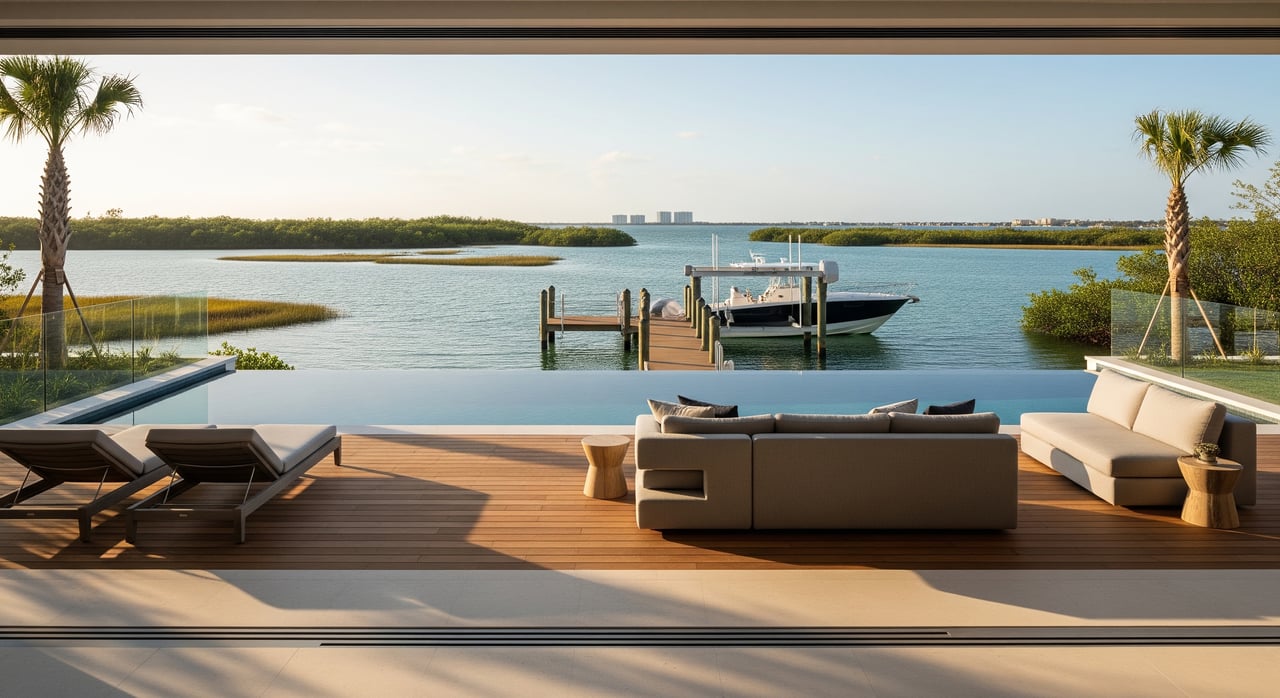
Picture your morning starting on a quiet canal, coffee in hand, as a heron lands on a nearby dock. By afternoon, you could be boating across Tampa Bay or casting a line for redfish before dinner. If you are weighing Apollo Beach waterfront living, you likely value access to the water and an easy, everyday rhythm. In this guide, you will learn what life looks like on the canals and bay, the true costs of ownership, flood and insurance basics, and the due diligence steps that lead to confident decisions. Let’s dive in.
Waterfront lifestyle at a glance
Apollo Beach sits on Tampa Bay in southern Hillsborough County. The community combines canal-front homes, planned neighborhoods, and bay-view properties with a laid-back, recreation-first lifestyle. Summers are hot and humid with frequent afternoon thunderstorms. Winters are mild. Hurricane season runs from June 1 to November 30.
You will see neighbors kayaking, paddleboarding, and fishing inshore for snook, redfish, trout, and sheepshead. Many residents work in Tampa, St. Petersburg, and nearby job centers while enjoying evenings on the water. In cooler months, manatees gather near warm-water outflows, a seasonal reminder of the area’s wildlife and conservation focus.
For a local highlight, the TECO Manatee Viewing Center offers a window into the area’s natural rhythms and is a popular seasonal attraction for residents and visitors. You can learn more about the site and its programs through the TECO Manatee Viewing Center.
Boating and canal access
Water access varies by neighborhood. Many canal-front homes have private docks with direct access to Tampa Bay. Canal depth, width, and tidal range differ, which can affect boat size and travel times. Some communities offer shared ramps or neighborhood marinas, and there are public ramps and commercial marinas throughout the region.
When planning a day on the water, account for no-wake zones and bridge clearances. Travel to open bay and the Gulf depends on your exact location and vessel. Inshore fishing is a staple, while nearshore excursions are common when conditions allow. Seasonal protections and fishing regulations apply, so always verify current rules.
If you fish or boat regularly, review licensing and seasonal guidelines through the Florida Fish and Wildlife Conservation Commission’s saltwater regulations.
Docks, seawalls, and permits
Most waterfront owners are responsible for their docks and seawalls. Seawall age, material, and condition can influence near-term maintenance budgets. Over time, some canals require dredging. Cost-sharing and maintenance duties depend on deed restrictions, recorded covenants, or county agreements. Clarify responsibilities before you make an offer.
Permits are typical for building or altering docks, seawalls, and other shoreline structures. Depending on scope and location, you may need county, state, and sometimes federal approvals. Start with Hillsborough County permitting to understand local requirements and reviews. For state-level environmental resource permitting and submerged lands questions, consult the Florida Department of Environmental Protection.
- Explore local building and shoreline permit guidance at Hillsborough County Permits.
- Review state permitting and submerged lands information through FDEP Environmental Resource Permitting.
Flood risk and insurance basics
Waterfront and canal-front properties face flood risk from storm surge, heavy rainfall, and seasonal high tides. Long-term sea-level rise can increase nuisance tidal flooding over time. Risk varies by parcel, elevation, and proximity to open water.
Start with FEMA flood maps to see if a property lies in a Special Flood Hazard Area and to identify the assigned zone. Lenders require flood insurance for high-risk zones. Even when not required, voluntary coverage can be a prudent choice. Premiums depend on elevation, construction features, and insurer. Florida’s market has seen premium changes in recent years, so budget carefully and request property-specific quotes.
- Look up a property’s FEMA flood zone through the FEMA Flood Map Service Center.
- Learn how the National Flood Insurance Program works at FEMA Flood Insurance.
- For local floodplain considerations and resources, see Hillsborough County Floodplain Information.
Coastal building codes often require elevated construction and flood-resistant practices in higher-risk zones. Common resilience steps include obtaining an elevation certificate, adding flood vents where applicable, and using flood-hardy materials for lower enclosures. Many homeowners also plan for backup power and backflow prevention.
For tides and water-level awareness, NOAA’s tools can help you plan boating days and storm preparation. Check forecasts and tide data at NOAA Tides and Currents.
Ownership costs to plan for
Beyond your mortgage, budget for costs that are typical with waterfront ownership in Apollo Beach:
- Flood insurance and homeowner’s insurance with wind coverage
- Seawall and dock maintenance, periodic repair, and eventual replacement
- HOA fees and potential special assessments, especially for dredging or shared shoreline work
- Property taxes and utilities, including confirmation of sewer or septic service
- Boating costs such as fuel, slip or storage fees, and regular vessel maintenance
The details vary by property, so requesting quotes and reviewing documents early will help you set realistic expectations.
Commuting and daily needs
Most residents drive to work. Typical commutes to downtown Tampa can range from roughly 30 to 60 minutes depending on your destination and time of day. Public transit options are more limited than in the urban core, so it pays to test your route during peak hours.
Day-to-day conveniences are close by. You will find grocery stores, local and chain restaurants, and basic services in and around Apollo Beach. Larger retail and entertainment options are a short drive away across the Tampa Bay region.
For families, Apollo Beach is served by Hillsborough County Public Schools. Assignments vary by address and grade level, and boundaries can change. Use district tools and direct confirmation to verify current school zones through the Hillsborough County Public Schools website.
Healthcare options include hospitals and clinics in nearby communities such as Riverview, Ruskin, Brandon, and Tampa. If access to urgent or specialized care is important to you, map facilities and travel times as part of your search.
Choosing the right waterfront home
Not all waterfront is the same. Your preferences and budget will guide the best fit:
- Canal-front homes: Usually offer private docks and quicker access to inshore fishing. Depth and width vary, which can affect boat size. Insurance and maintenance costs can be more moderate than open-bay frontage, but it depends on elevation and construction.
- Bayfront properties: Deliver wide views and direct access to open water, often with a price premium. Exposure to wind, waves, and surge can affect maintenance and insurance needs.
- Planned communities with shared amenities: Some neighborhoods provide community docks, ramps, and marinas. HOA rules can simplify certain maintenance tasks but may include assessments for dredging or shoreline work.
A local expert can help you weigh tradeoffs like canal depth, no-wake zones, HOA rules, and typical dredging practices by neighborhood.
Smart due diligence checklist
Before you make an offer, line up key information so you are not surprised after closing:
- Verify flood zone and elevation. Request any existing elevation certificate and review FEMA maps and county guidance.
- Ask for a history of flooding or storm damage. Review seller disclosures and any past insurance claims.
- Inspect the seawall and dock. Hire a qualified marine contractor to assess condition, estimated remaining life, and likely repair needs.
- Confirm ownership and permits. Verify that docks and seawalls are permitted and clarify who pays for maintenance or dredging.
- Review HOA documents. Look for rules affecting docks and any shared-cost agreements for dredging or bulkhead work.
- Confirm utilities. Check sewer versus septic status with Hillsborough County and the property appraiser.
- Order a professional home inspection and, when appropriate, a property survey and updated elevation certificate.
- Request insurance quotes. Compare National Flood Insurance Program and private flood options, and obtain homeowner’s and wind coverage estimates.
If you plan to build or replace waterfront structures, contact Hillsborough County and FDEP early to understand approvals. For storm planning and evacuation awareness, review state resources at Florida Division of Emergency Management’s Know Your Zone.
Resilience and preparedness
Given hurricane season and coastal exposure, it helps to plan ahead. Many owners prepare storm kits, secure boats before tropical weather, and confirm generator or battery backup plans. Landscaping choices can also improve drainage and reduce debris risk. Keep an eye on NOAA advisories during peak season and verify your evacuation zone and routes each year.
Is Apollo Beach a fit for you?
If you want a Tampa Bay lifestyle with daily access to canals, inshore fishing, and bay cruising, Apollo Beach delivers. The tradeoff is a set of responsibilities unique to waterfront living, such as flood insurance, seawall care, and attention to permits and environmental rules. With the right due diligence, you can enjoy the best of the water while protecting your investment.
When you are ready, connect with a local advisor who understands waterfront nuances, from canal depth and dock permitting to insurance realities and HOA rules. Start a Tampa Bay conversation with Acropolis Realty Group Tampa to map your next steps.
FAQs
What makes Apollo Beach waterfront living unique?
- Daily access to canals and Tampa Bay, inshore fishing, seasonal manatee viewing, and a relaxed, recreation-first lifestyle with suburban conveniences nearby.
How does flood risk affect Apollo Beach homes?
- Flood exposure varies by property and elevation. Use the FEMA Flood Map Service Center and county resources to confirm risk and building standards.
Will I need flood insurance for a canal-front home?
- Lenders require it for homes in high-risk FEMA zones. Premiums depend on elevation and construction, so compare quotes through the FEMA Flood Insurance program and private options.
What permits do I need for a new dock or seawall?
- Most projects require local and state approvals. Start with Hillsborough County Permits and FDEP Environmental Resource Permitting.
How easy is boating from the canals to Tampa Bay?
- It depends on your canal’s depth, no-wake zones, and bridge clearances. Travel times vary by location and vessel; plan routes with tide data from NOAA Tides and Currents.
Are there boating or fishing restrictions for wildlife?
- Yes. Manatee protection zones and seagrass areas may apply, and fishing rules change seasonally. Check the FWC’s saltwater regulations.
What is the typical commute from Apollo Beach to Tampa?
- Many residents drive, with roughly 30 to 60 minutes to downtown Tampa depending on time of day and route.
How do I confirm the right school for my address?
- School assignments vary by location and can change. Use district tools and direct verification through Hillsborough County Public Schools.
What ongoing costs should I expect beyond my mortgage?
- Flood and homeowner’s insurance, seawall and dock maintenance, HOA fees and potential assessments, property taxes, utilities, and boat-related expenses.
Where can I find evacuation zone information?
- Review your zone and storm guidance through the Florida Division of Emergency Management.