Thinking about selling your Seminole Heights bungalow and not sure where to start? Older homes shine with charm, but buyers and insurers in Tampa will zero in on certain systems and permits. With a focused plan, you can invest where it counts, avoid surprises, and position your home to compete with renovated comps. Here’s a clear, local guide to help you prep with confidence. Let’s dive in.
Seminole Heights market today
Seminole Heights is active and renovation-heavy. As of January 2026, one major portal reported a median sale price around $565,000, but values vary by sub-area and finish level. Renovated, move-in-ready homes often command a premium, while modest, unrenovated bungalows sell for less. Pricing smart means comparing renovated versus unrenovated comps rather than averaging everything together.
Flood and drainage risk also vary block by block. Review your FEMA zone and the City’s stormwater projects to understand exposure and how buyers may view insurance and future upgrades. You can explore local efforts on the city-funded Seminole Heights stormwater improvements site.
Historic district rules to know
Parts of Seminole Heights fall within local and national historic districts. Exterior changes such as siding, windows, porch work, fencing, and accessory structures can require a Certificate of Appropriateness and design review. Before you plan exterior updates, review Tampa’s Seminole Heights Design Guidelines and build time into your timeline for approvals and material choices.
Insurance and roof realities in Florida
In Florida, insurability can make or break a deal. Roof age and wind-mitigation features often drive whether a private carrier will write a policy and at what price. Documentation matters. The wind mitigation inspection (Uniform Mitigation Verification Form OIR-B1-1802) and the 4-point inspection help buyers secure coverage and can reduce premiums when features are verified. Learn what carries weight on the Florida Office of Insurance Regulation’s wind mitigation page.
If your roof is older than about 15 to 20 years or shows wear, talk to a licensed roofer about a certification or replacement. A permitted re-roof plus wind-mitigation features can boost buyer confidence and reduce friction during underwriting. For permitting context, see this roofer’s overview of the Tampa Bay roof permit process.
Pre-list inspections: your first step
Ordering targeted inspections 6 to 12 weeks before listing helps you fix what matters and price with confidence.
- General home inspection. Hire a full-scope inspector to flag safety and maintenance issues across roof, attic, electrical, plumbing, and crawlspace. You can find local options through the NACHI-aligned Tampa Bay inspector directory.
- WDO/termite inspection. In Florida, real estate transactions use FDACS Form 13645 from a licensed operator. It documents active infestations, prior damage, and repairs or treatments needed. Learn what to expect from UF/IFAS’s guide to WDO inspections for home sales.
- Roof exam or certification. If the roof is aging or questionable, get a written estimate and discuss certification or pre-list replacement with a licensed roofer. Reference the permit process overview.
- Wind mitigation and 4-point inspections. These standardized forms can improve insurability and are often requested by carriers. See Florida OIR’s wind mitigation resource for context.
- Sewer scope. Many older bungalows have cast iron or clay lines. A video scope can head off major surprises.
- Lead and asbestos screening. Homes built before 1978 likely have lead-based paint, and some mid-century materials may contain asbestos. If work will disturb painted surfaces, follow the EPA’s Lead-Safe Renovation guidance for real estate.
- Specialized inspections. Order chimney, structural, pool, or moisture assessments if signs point to a concern.
Older bungalow issues buyers flag
Termites and wood-destroying organisms
Termites are common in Florida, and older wood-framed homes are vulnerable. Active infestations or visible structural damage can derail financing and negotiations. Plan for treatment and repairs with documentation.
Roof condition and water protection
Multiple roof layers, aging shingles, and missing secondary water resistance are red flags. A permitted re-roof with proper underlayment and documented wind features can shorten time on market.
Electrical safety and capacity
You may see ungrounded outlets, legacy fuse boxes, outdated panels, or limited amperage. Inspectors often recommend panel upgrades and GFCI/AFCI protections for safety. InterNACHI outlines why historic-home systems need careful review in its historic homes resource.
Plumbing and sewer lines
Galvanized supply lines and cast iron or clay drains can fail with age. A sewer scope can verify condition, and addressing leaks or breaks before listing avoids lender-required fixes.
HVAC and comfort
In Tampa, a reliable AC is a must. Units older than 10 to 15 years may warrant replacement. Typical full-system costs in Tampa range around several thousand dollars; see local ranges in Angi’s AC replacement cost guide for Tampa.
Foundations, crawlspaces, and moisture
Raised piers and shallow crawls can hide rot, termite damage, or settling. Moisture control and structural repairs may be necessary to satisfy inspection and appraisal.
Lead paint and potential asbestos
If you plan to paint or renovate, follow EPA RRP rules and hire qualified contractors. Disclose known conditions and provide any testing or remediation documentation.
Visible cosmetics buyers notice first
Peeling paint, sagging porch rails, worn floors, and overgrown landscaping show up in photos and at showings. These items are often affordable to correct and make a strong first impression.
What to fix first and where ROI is real
Prioritize safety and insurability, then invest in visible, high-ROI upgrades.
- Safety and insurability
- Treat and repair any WDO issues and keep invoices and warranty info. Lenders and buyers often require clean WDO documentation.
- Address roof concerns. A new, permitted roof with documented wind features can improve insurability and buyer confidence.
- Correct electrical hazards and add GFCIs where required.
- High-ROI, lower-cost updates
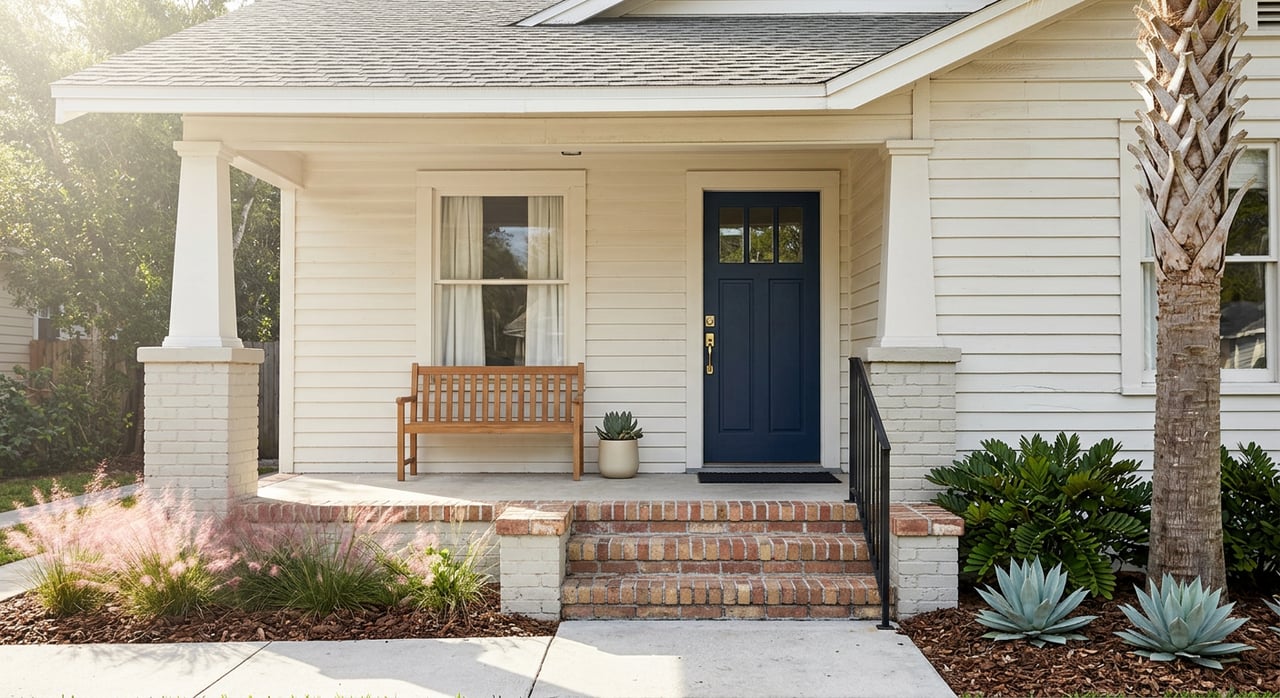
- Entry or garage door replacement, neutral interior paint, porch repairs, front-yard cleanup, and professional photos typically punch above their weight. Remodeling’s Cost vs. Value data shows small exterior swaps like entry and garage doors often have top recoup rates.
- Minor kitchen refresh. Cabinet refacing or paint, new counters, updated lighting, and modern appliances can be high impact without overinvesting. The 2025 Cost vs. Value report lists the midrange minor kitchen remodel with a strong cost recoup nationally.
- Midrange bath refresh. Target tile, vanity, lighting, and fixtures for a clean, market-ready look.
- Bigger-ticket items to evaluate carefully
- Full kitchen gut or additions can recoup less on a percentage basis unless your comps support a top-tier price. Use Cost vs. Value to sanity-check scope.
Helpful cost context
- AC replacement. Tampa ranges commonly fall around 4,000 to 8,000-plus depending on size and efficiency, per Angi’s Tampa AC cost guide.
- Roofing. Costs vary by size, pitch, and materials. Get three written bids and verify permit requirements and wind features.
Price and position against comps
Start with a comparative market analysis that separates renovated sales from unrenovated ones. That gap tells you what buyers pay locally for finish level. Then run a cost-to-cure: gather bids for must-do repairs and use Cost vs. Value benchmarks to estimate resale impact.
Choose your selling posture:
- Option 1: Turn-key to compete. Tackle safety items plus a handful of smart visual updates so you can price near renovated comps.
- Option 2: Price as-is, transparently. Share pre-list inspections and price for needed repairs to attract buyers planning their own upgrades.
- Option 3: Limited fixes plus a credit. Complete safety and high-impact cosmetics, then offer a targeted credit for known deferred items.
For marketing, highlight original character that Seminole Heights buyers love, like wood floors, built-ins, and porches. Pair that charm with clear documentation of mechanical work, permits, and transferable warranties. Tampa’s Seminole Heights Design Guidelines favor retaining character, which you can lean into in your listing story.
12-month to 12-week timeline
Immediate to 6 weeks
- Order a general inspection and a WDO inspection using FDACS Form 13645. Start gathering contractor bids for flagged items.
- Request roof, electrical, and HVAC evaluations. If roof age or AC condition could block insurance, prioritize solutions.
- If exterior work is planned, review Tampa’s historic guidelines and speak with City staff or your architect about the ARC process.
6 to 12 weeks before listing
- Complete safety and insurability repairs. Keep permits and invoices in a clean packet for buyers.
- Knock out high-impact cosmetics: neutral paint, porch and rail repairs, entry door upgrade, front-yard cleanup. Book professional photos and consider staging.
If you plan minor renovations over 3 to 9 months
- Schedule a kitchen or bath refresh with clear scope, pull permits where required, and document all work. Choose period-appropriate finishes when applicable.
At listing
- Provide a buyer packet with inspection reports, WDO form, permits, warranties, and a one-page summary of recent work. Transparency reduces renegotiation risk.
Quick prep checklist
- Confirm FEMA zone and review Seminole Heights stormwater projects.
- Review Seminole Heights Design Guidelines if planning exterior changes.
- Order general and WDO inspections, plus wind mitigation and 4-point. See Florida OIR wind mitigation guidance.
- Get roof, electrical, HVAC, and plumbing assessments. Consider a sewer scope for cast iron/clay lines.
- Fix safety items, then complete visible, high-ROI updates. Use Cost vs. Value to right-size scope.
- Gather permits, receipts, and transferable warranties for buyer confidence.
Ready to move from plan to execution? If you want a data-backed pricing strategy, a targeted prep plan, and premium marketing that showcases both character and upgrades, reach out to Acropolis Realty Group Tampa. We’ll align your improvements with local comps, coordinate a polished launch, and help you sell with confidence.
FAQs
Do I need to replace my roof before selling in Seminole Heights?
- Not always. If the roof is serviceable and insurable with a roofer certification, you can disclose age and possibly offer a credit; if age blocks insurance or financing, replacement is strongly recommended and wind features should be documented per Florida OIR guidance.
What is a Florida WDO inspection and why does it matter?
- A licensed operator completes FDACS Form 13645 to document termite or other wood-destroying organism activity, past damage, and repairs or treatments; buyers and lenders frequently require it, so it can make or break a deal per UF/IFAS WDO inspection guidance.
How do historic district rules affect exterior work in Seminole Heights?
- Exterior changes like siding, windows, and porches may require a Certificate of Appropriateness, specific materials, and extra time; check Tampa’s Seminole Heights Design Guidelines early to avoid delays.
Which pre-sale updates usually deliver the best ROI locally?
- Minor, visible improvements such as an entry door, neutral paint, porch repairs, and a minor kitchen refresh tend to perform best, supported by Remodeling’s Cost vs. Value benchmarks.
Will wind-mitigation and 4-point inspections help my buyer get insurance?
- Yes. These standardized forms verify roof, electrical, plumbing, HVAC, and wind-resistance features that carriers consider, often improving insurability and premiums; see Florida OIR wind mitigation for details.
Should I scope the sewer line on a 1920s bungalow in Seminole Heights?
- It’s a smart move if you have cast iron or clay laterals or any slow drains; a video scope identifies breaks or root intrusion so you can fix or price accordingly, reducing renegotiation risk.