Thinking about selling in Seminole Heights and wondering when to list? Timing can shape your final price, your days on market, and how smoothly your closing goes. You want a plan that matches Tampa’s seasonal patterns and the unique character of this walkable, historic neighborhood. In this guide, you’ll learn how buyer activity ebbs and flows through the year, which months align with your goals, and how to prepare with a simple 12‑week timeline. Let’s dive in.
Tampa seasonality at a glance
Buyer traffic across the Tampa Bay market ramps up in late winter and peaks in spring and early summer. Activity cools in late summer and fall, then drops further over the winter holidays. Seminole Heights generally follows this rhythm, with strong demand during peak months thanks to its historic bungalows and walkable restaurant and brewery corridors.
What this means in Seminole Heights
- Late Feb to June: Highest exposure and buyer traffic; best window for pricing power and quick sales.
- July to August: Still active, but competition increases and vacations can slow some showings.
- September to November: Fewer buyers and fewer listings; motivated buyers re-enter and inventory tightens.
- December to January: Lowest traffic, but reduced competition can help well-prepped, well-priced homes stand out.
Buyer segments by season
- Local owner-occupiers and families: Focus on spring to early summer to line up with the school calendar.
- Relocation and out-of-town buyers: Stronger in spring and summer, but active year-round for Seminole Heights’ lifestyle appeal.
- Investors and cash buyers: Often hunt in late summer and fall when sellers may be more flexible.
- First-time buyers: Sensitive to mortgage rates; high rates can soften activity regardless of season.
Best months by seller goal
- Maximize price: Aim to be live in March through May to capture peak traffic and potential multiple-offer scenarios.
- Minimize days on market: Late winter into spring tends to move fastest; early fall can also work with less competition.
- Sell with less competition: October through December can be effective if you are priced and presented well.
Market conditions change. Before you finalize timing, confirm current neighborhood metrics from the MLS or regional reports and adjust to your property’s specifics.
Quarter-by-quarter plan
Q1 (Jan–Mar)
- Character: Market wakes up after holidays; inventory starts building.
- Best for: Sellers prepping to list by late Q1 or early Q2.
- Actions: Line up repairs, staging, and pricing strategy; schedule photos to hit spring buyers.
Q2 (Apr–June)
- Character: Peak buyer traffic and marketing visibility.
- Best for: Top price potential and families wanting to close before school resumes.
- Actions: Launch with premium photos, virtual tour, and a competitive list strategy.
Q3 (July–Sept)
- Character: Activity cools; weather and vacations affect showings.
- Best for: Convenience-minded sellers or those targeting investors.
- Actions: Price thoughtfully, plan for flexible scheduling, and prepare for weather-related contingencies.
Q4 (Oct–Dec)
- Character: Fewer buyers and fewer competing listings; buyers are often more motivated.
- Best for: Sellers seeking a quicker, cleaner sale with less competition.
- Actions: Keep staging sharp, price to attract serious buyers, and expect longer negotiation windows.
Seminole Heights factors to weigh
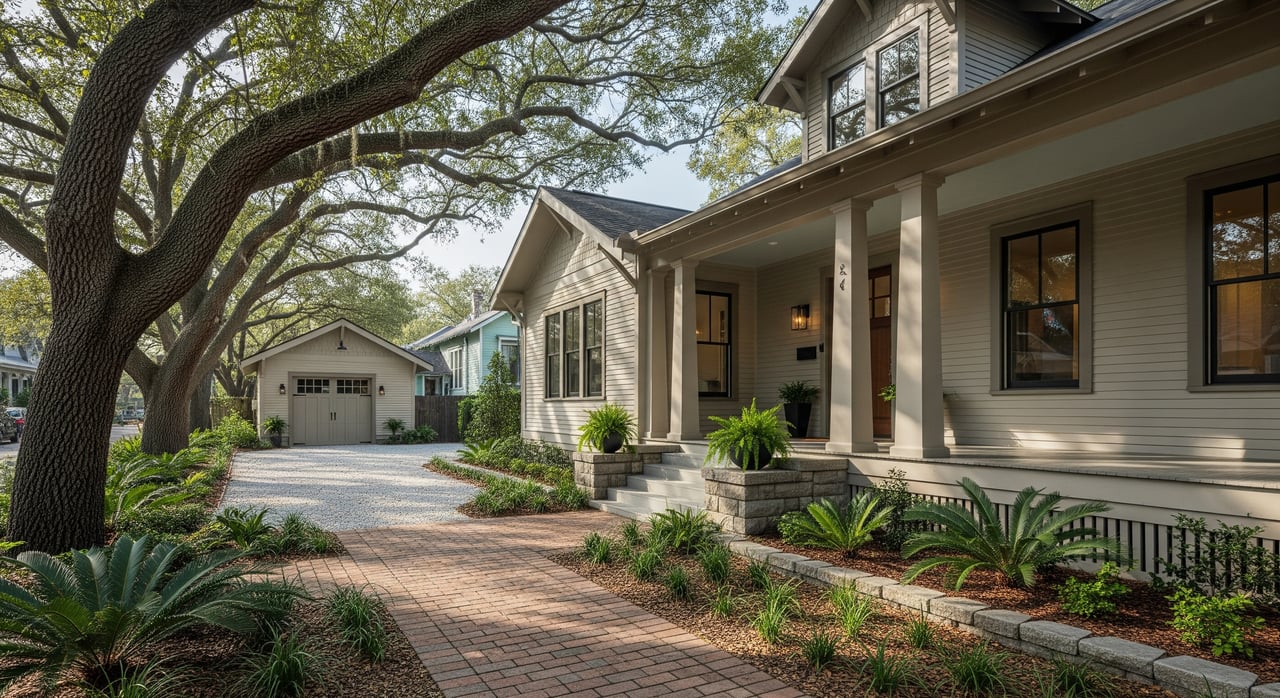
- Property type and condition: Renovated bungalows with updated systems, kitchens, and baths often perform best in active periods.
- Flood and insurance: Parts of Tampa are in FEMA flood zones. Check your specific address and consider how insurance affects buyer decisions. You can verify status using the FEMA Flood Map Service Center. If applicable, an elevation certificate and wind mitigation report can help buyers price insurance expectations. Visit the FEMA Flood Map Service Center to confirm flood zones.
- Documentation: Gather permits, warranties, and past repair receipts. For official records and parcel details, use the Hillsborough County Property Appraiser.
- Hurricane season: June through November can affect inspections, escrow timing, and insurance binding. Build flexibility into your calendar.
Check key data before you pick a date
Review neighborhood-level indicators to decide when to list and how to price:
- Median sale price trend (30/90/365-day views)
- Average and median days on market
- List-to-sale price ratio
- Active listings, new listings per month, and months of inventory
- Price per square foot range for comparable Seminole Heights homes
- Share of cash or investor purchases
For regional context and monthly updates, review the Florida Realtors market data. Then pair those insights with a neighborhood snapshot from a local MLS professional to reflect current conditions.
Your 12-week prep timeline
Use this simple plan to get market-ready without scrambling.
12–8 weeks before listing
- 🔎 Define goals and timeline; interview and select your listing agent.
- 📄 Order a title check; gather deed, survey, and any HOA documents.
- 🔧 Schedule major repairs with clear ROI (roof, electrical, plumbing, HVAC).
- 🌊 Check flood-zone status and insurance implications; get an elevation certificate if needed.
8–6 weeks before listing
- 🧹 Deep clean and declutter; remove personal items.
- 🎨 Paint high-impact rooms in neutral tones; fix visible cosmetic issues.
- 🌿 Boost curb appeal with fresh landscaping and potted plants.
- 📊 Review comps with your agent and set a preliminary price range.
6–4 weeks before listing
- 🧰 Consider a pre-list inspection to surface issues early.
- 🐜 Arrange a termite/pest inspection if customary; keep receipts for repairs.
- 📸 Book professional photos and a 3D/virtual tour; create a floor plan.
- 📏 Verify measurements and highlight usable outdoor space and parking.
4–2 weeks before listing
- 🪑 Final staging and deep clean; consider professional staging.
- 📚 Compile disclosures, permits, warranties, and repair documentation.
- 💨 Provide wind mitigation and roof reports to your agent if favorable.
- 🔐 Confirm showing rules and lockbox arrangements.
Listing week (days 0–7)
- ✅ Final walkthrough and photo day.
- 🚀 Go live on the MLS with clear highlights: renovations, walkability, and flood info.
- 🏡 Schedule open houses and promote across digital channels.
- 📝 Track early feedback; be ready to adjust within 1–2 weeks if needed.
Post-listing (first 30 days)
- 📈 Monitor views, showings, and offers relative to neighborhood norms.
- 🧭 Consider a price or presentation adjustment after 14–21 days if activity lags.
- 🔗 For accepted offers, move quickly on inspections, appraisal, and contingencies.
Quick checklists
- Top value improvements: curb appeal, light kitchen/bath refresh, fresh paint.
- Documents to gather: warranties, permits, survey, repair receipts, insurance info.
- Seasonal note: During hurricane season, pad your closing timeline and confirm insurance binding windows.
Pricing and marketing essentials
- Nail first impressions: Professional photography, floor plan, and a compelling virtual tour are must-haves in Seminole Heights.
- Tell the property story: Highlight historic details, updates to systems, parking, outdoor living, and proximity to retail corridors.
- Price with precision: Use very recent comps and adjust for renovation level and lot usability.
- Signal confidence: Offer relevant reports when positive, such as wind mitigation or roof inspections.
Hurricane-season scheduling tips
Hurricane season runs June through November. Build flexibility into inspection and appraisal dates, and talk with your agent and insurance professional about policy binding timing and storm-related contingencies. For preparedness context and local guidance, review the Tampa Bay Times hurricane guide. For permit checks or zoning context, visit City of Tampa Planning & Development.
Next steps
The best time to sell in Seminole Heights depends on your priorities and your home’s specifics. If you want top dollar, align your launch to be active in March through May. If you prefer less competition, aim for October through December with sharp pricing and polished presentation. Market conditions change, so confirm the latest neighborhood data before you decide.
Ready to map out your timing, pricing, and 12-week prep plan? Start a conversation with Acropolis Realty Group Tampa. Request a home valuation, review live Seminole Heights comps, and put an expert-backed plan in motion.
FAQs
What is the best month to list in Seminole Heights?
- The late winter to spring window, especially March through May, typically offers the strongest buyer traffic and pricing power in Tampa’s market cycle.
How does hurricane season affect my sale timeline?
- June to November can bring weather-related delays for showings, inspections, and insurance binding; build flexibility into timelines and add storm contingencies.
Does the school calendar change buyer demand?
- Yes. Many owner-occupiers prefer to shop in spring and early summer so they can close and move before the new school year.
What data should I confirm before picking a list date?
- Review recent neighborhood trends for median price, days on market, list-to-sale ratio, and months of inventory, and compare to broader Tampa metrics.
Do I need flood or wind mitigation documentation?
- If your home is in a flood zone, buyers will ask about insurance and elevation; wind mitigation and roof reports can help buyers assess risk and costs.