Trying to choose between a condo and a house on Davis Islands? You are weighing two great options in one of Tampa’s most coveted waterfront neighborhoods, and each path comes with unique costs, rules, and lifestyle benefits. The right fit depends on how you want to live, how much time you want to spend on upkeep, and how you plan to use the water. In this guide, you’ll compare ownership costs, insurance and flood factors, boating access, rules, and resale considerations. You’ll also get a simple decision matrix to make your choice clear. Let’s dive in.
Davis Islands snapshot
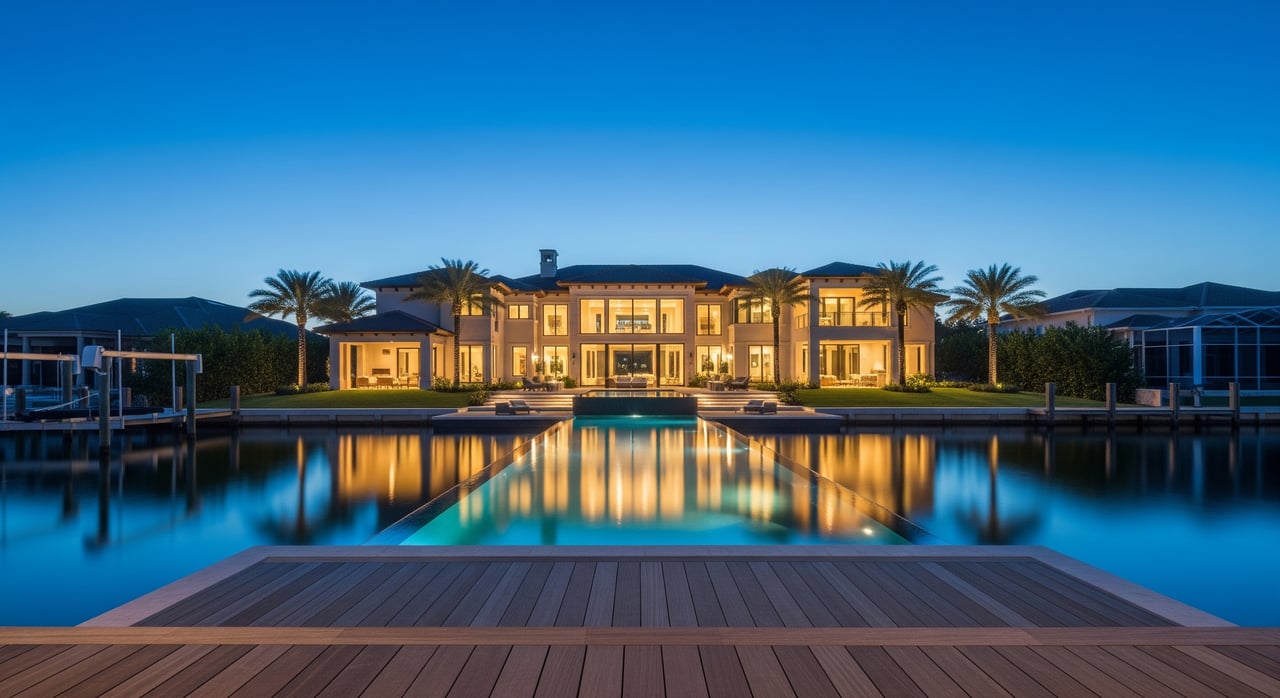
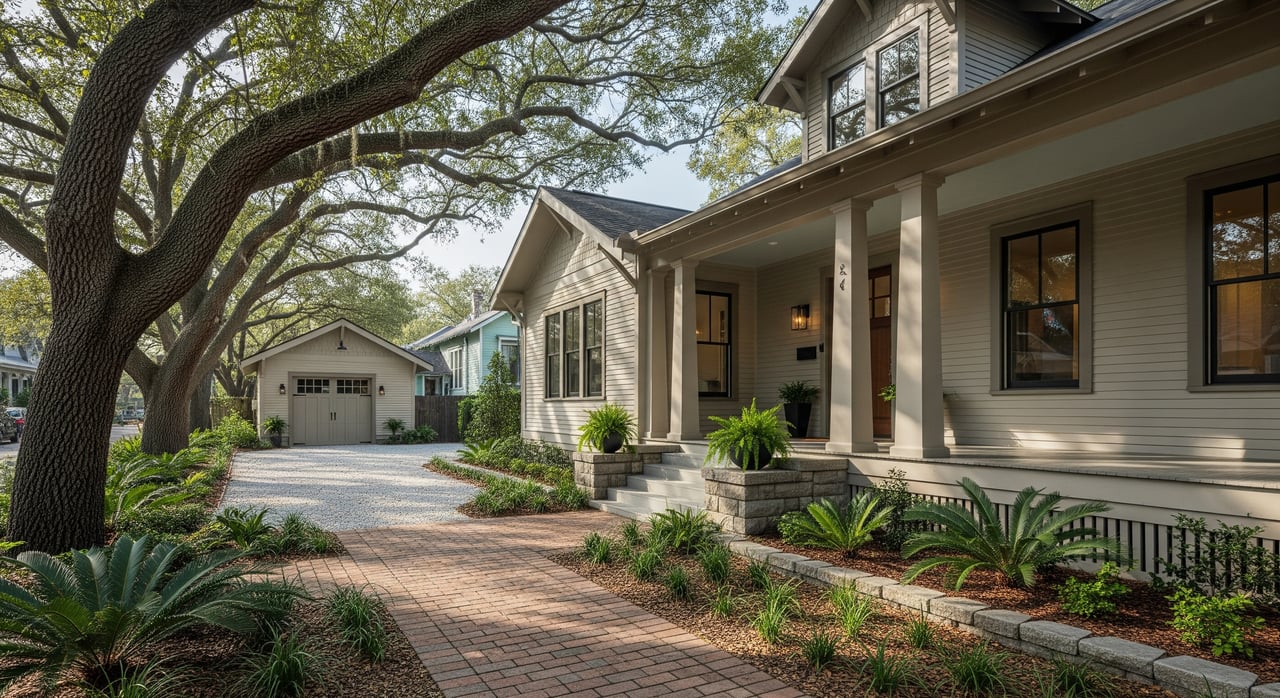
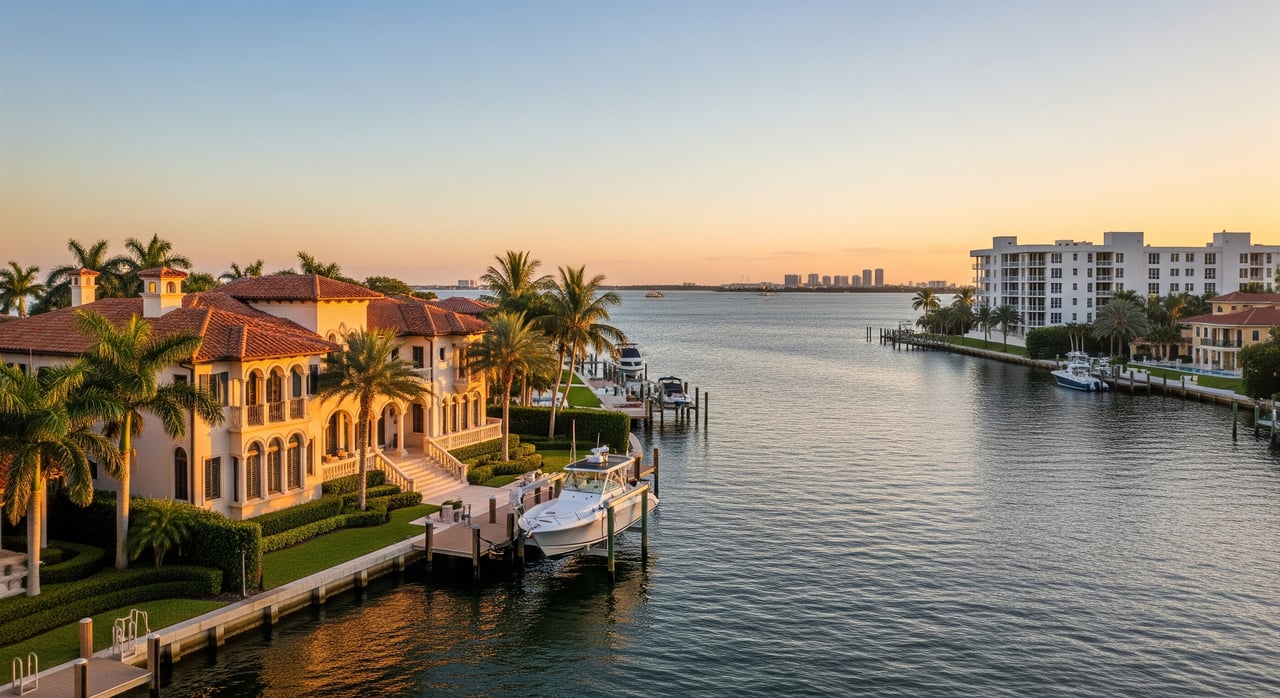
Davis Islands is a small, mostly residential neighborhood just southwest of downtown Tampa. You’ll find a blend of historic single-family homes, large waterfront estates, and a range of low and mid-rise condominium communities, many with water views. The area is walkable to local shops, parks, small commercial spots, and yacht clubs, with quick access to downtown employment, Tampa General Hospital, and nearby bases.
The coastal setting is the star, but it also shapes your ownership costs. Flood risk, wind coverage, seawall and dock care, and association rules can be more important here than in inland neighborhoods. If you love boating and want a short commute with neighborhood character, Davis Islands offers a rare mix.
Quick compare: condo vs house
- Condo: lower day-to-day maintenance, building amenities, possible marina or slip access, and rules that can simplify or limit certain choices. Fees cover shared items and reserves vary by building.
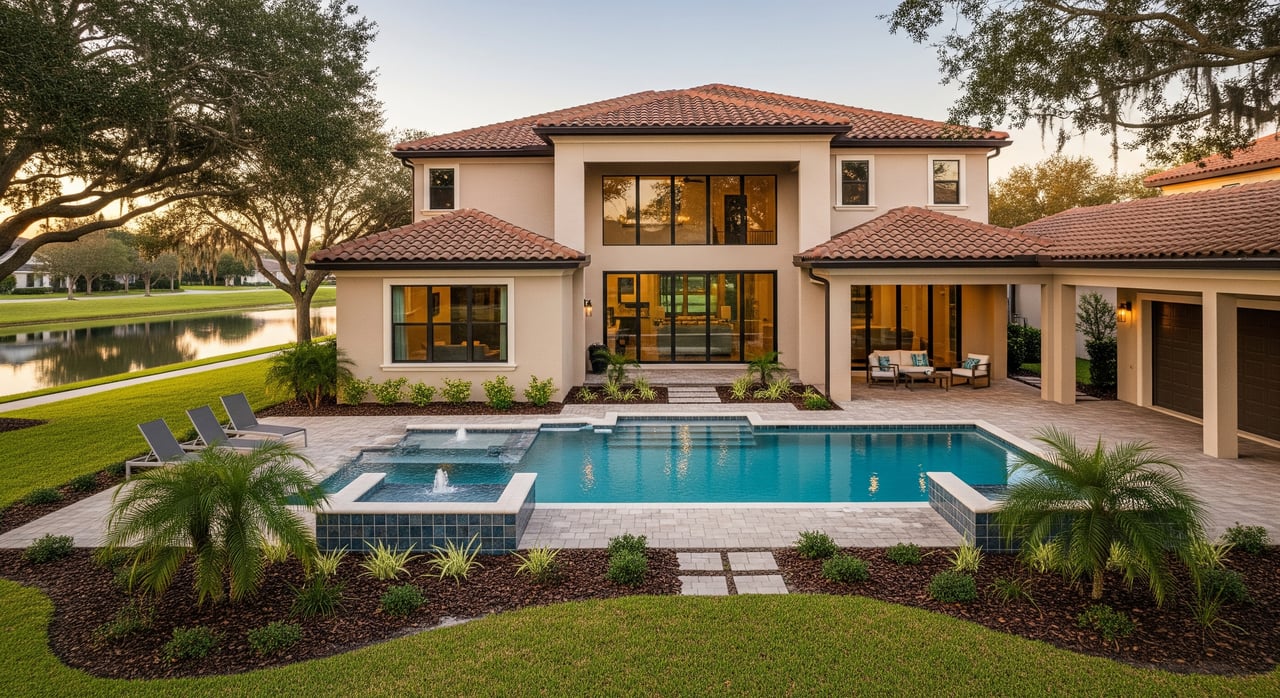
- House: more space and privacy, control over improvements, and often easier financing, especially for broad buyer pools. Waterfront homes can offer private docks but bring higher maintenance responsibility.
Ownership costs you must compare
HOA fees vs direct maintenance
- Condos: HOA fees often cover exterior and common-area maintenance, landscaping, reserves, security, and amenities. Some include parts of building insurance and certain utilities. Many waterfront communities manage marina facilities or charge separate slip or dock fees.
- Houses: You handle everything from roof to landscaping. On the water, that can include seawall and dock upkeep and private pool care. Plan for variable costs and larger capital projects over time.
Tip: Review HOA budgets, reserve studies, and recent meeting minutes to understand what the fees cover and whether increases or special assessments are likely.
Insurance: flood, wind, and deductibles
- Condos: The association’s master policy usually covers the building shell and shared areas. You will likely carry an HO6 policy for interior finishes, personal property, liability, and loss assessment coverage. Flood insurance requirements depend on flood zone and lender rules.
- Houses: Expect a full homeowner policy plus flood insurance if the home sits in a mapped flood zone. Coastal properties may face higher premiums and hurricane deductibles, and you will need to insure detached structures and docks as required.
Action step: Confirm your flood zone and elevation, then request quotes for both flood and wind coverage. Review the condo master policy limits and any gaps that could lead to unit-level costs or assessments.
Property taxes and assessments
Property tax rates apply broadly across property types, but assessed value drives the bill. Waterfront single-family homes may have higher assessed values. Both condos and houses can face special assessments for major work, such as building repairs or seawall projects. In a condo, these are association assessments. In a house, you fund capital projects yourself.
Utilities, parking, and docking fees
Condos may include water and trash in monthly dues, with assigned or garage parking and specific guest-parking rules. Many buildings offer limited boat slips, which may be deeded, leased, or wait-listed. Houses pay all utilities directly and may have higher irrigation and electricity use. Waterfront homes may include a private dock, which carries maintenance and safety obligations.
Reserves and big-ticket repairs
- Condos: Healthy reserves lower the chance of large special assessments. Review reserve studies and current balances in the resale package.
- Houses: Build your own reserve for roof, mechanicals, seawall care, and dock work. Plan for long-term costs and timing so you avoid surprise expenses.
Lifestyle tradeoffs on Davis Islands
Space and outdoor living
Single-family homes typically deliver more interior square footage and private yards. If you want a yard, room for a pool, or space to expand, a house often fits best. Condos prioritize convenience and lock-and-leave living with balconies or terraces and shared outdoor spaces.
Parking and access
Some pockets of the Islands can be tight on street parking. Condos usually include assigned spaces and may limit guest parking. Homes rely on private driveways and street parking. If you store a boat trailer, review association or municipal rules to understand what is allowed.
Boat access and docks
Waterfront condos may have private marinas with slips for sale or lease, or a waitlist system. Rules may limit vessel size or storage. Houses on the water may include docks or space to add them, but owners handle permits, maintenance, and compliance with local marine construction codes. Factor in ongoing upkeep like pile replacement, mooring gear, and safety.
Rules, pets, and rentals
Condos operate under bylaws and house rules that can restrict pets, renovations, and rental policies. These rules shape both lifestyle and income options. Single-family homes have fewer internal restrictions, although city rules still apply for short-term rentals and licensing. Always review current documents before you commit.
Security and convenience
Condos often provide secure entries, on-site or managed services, and less daily maintenance. Houses give you autonomy over improvements and vendors, but you manage all the details. Choose between convenience and shared amenities or maximum control and privacy.
Resale and financing factors
Market liquidity and buyer pools
Condos tend to serve a narrower buyer pool, especially in buildings with strict rules or limited financing options. Single-family homes often attract broader demand and may be easier to finance, especially in high-demand waterfront segments.
Appreciation drivers and risk factors
On Davis Islands, water access, views, and parcel quality are key value drivers. Insurance costs, storm exposure, and building condition also influence long-term performance. Condo values depend heavily on reserve health, building management, and maintenance planning. A well-managed building supports stability and resale appeal.
Lending and appraisal
Lenders have specific standards for condominiums, including owner-occupancy ratios, reserve balances, and any pending litigation. These factors can limit loan options or require more review. Unique condos and distinctive waterfront homes may also face appraisal challenges if comparable sales are scarce.
Flood and environmental factors
FEMA flood maps, local elevation, and storm surge models matter here. Davis Islands’ low elevation means flood risk is a material issue for both condos and houses. Ask about mitigation features, past improvements, and any shoreline regulations that affect docks or seawalls.
Davis Islands decision matrix
Use this scoring table to compare your options. Rate each category from 1 to 5, where 1 is a poor fit or costly and 5 is an excellent fit or cost-effective. Multiply each score by the weight and total both columns.
| Criteria | Weight (1–5) | Condo Score (1–5) | Weighted Condo Score | House Score (1–5) | Weighted House Score |
|---|---|---|---|---|---|
| Monthly carrying cost | 5 | ||||
| Purchase price/value | 4 | ||||
| Flood/insurance risk | 5 | ||||
| Space/outdoor area | 4 | ||||
| Boat access/dock | 5 | ||||
| Parking/trailer storage | 3 | ||||
| Maintenance convenience | 4 | ||||
| Resale/liquidity | 4 | ||||
| Rental potential | 3 | ||||
| Amenities/lifestyle | 2 |
How to use it:
- Fill in the scores based on your needs and budget. 2) Add any notes on HOA rules, insurance quotes, and boat slip availability. 3) Sum the weighted scores. The higher total points toward your best fit.
Sample buyer scenarios
- Scenario A — Boat-centric couple: You want weekend cruising and low upkeep. A condo with a deeded or leased slip and strong reserves may score highest even if slip fees apply.
- Scenario B — Family that wants a yard: You value private outdoor space, room to grow, and flexible parking. A single-family home likely leads on space and autonomy.
- Scenario C — Empty-nester: You prefer lock-and-leave living, secure entries, and a short walk to shops. A condo may win unless a private dock is a must.
- Scenario D — Investor: You compare rental rules and total carrying costs. A single-family home may offer more flexibility, while some condos with strict rental caps may score lower.
Local due diligence checklist
Use this list to make an informed choice on Davis Islands:
- Confirm flood zone and elevation. Ask for any mitigation improvements and past claims history.
- Request condo documents: budget, reserves, master insurance, bylaws, house rules, rental policy, and recent meeting minutes.
- Ask about special assessments or large projects, such as structural work, seawall repairs, roof replacement, or marina upgrades.
- Verify boat slip details: deeded versus leased, capacity, waitlists, size limits, and typical fees.
- Get insurance quotes for homeowner, flood, and wind coverage. Ask about hurricane deductibles and coverage gaps.
- Review parking and trailer rules for both condo communities and the city.
- Compare utilities: what the HOA covers versus what you pay direct.
- Look at recent sales comps and days on market for both condos and single-family homes.
- Confirm any short-term rental rules and required licenses.
- Inspect seawalls, docks, and shoreline conditions. Ask about permits needed for repair or replacement.
How we can help
You deserve clear answers before you choose a condo or a house on Davis Islands. Our development-informed advisory, neighborhood expertise, and end-to-end service make it simple to compare ownership costs, reserve health, insurance needs, and boat access across specific properties. If you would like local comps, representative HOA documents, or a personalized decision matrix for homes you are touring, start a conversation with Acropolis Realty Group Tampa.
FAQs
What does a Davis Islands condo HOA usually cover?
- Many HOAs cover exterior and common-area maintenance, landscaping, reserves, shared amenities, and parts of building insurance. Details vary by community, so review budgets and policies.
How do flood and wind insurance compare for condos and houses?
- Condo owners often carry HO6 policies while the association insures the building; single-family owners insure the entire structure and may see higher flood and wind premiums, especially on waterfront lots.
Can I keep a boat in a Davis Islands condo?
- Some condos have marinas with deeded or leased slips, but supply is limited and may include waitlists and vessel-size rules; confirm availability, costs, and restrictions before you buy.
Are short-term rentals allowed on Davis Islands?
- Condo bylaws often limit rentals and may prohibit short-term stays, while single-family homes still must follow city rules and any licensing requirements; always confirm current policies.
Which is easier to finance on Davis Islands, a condo or a house?
- Single-family homes often have broader financing options, while condos can face lender reviews for reserves, occupancy ratios, and any litigation that may limit loan programs and buyer pools.
How do special assessments factor into my decision?
- In condos, assessments are shared costs approved by the association for major projects; in houses, you fund big-ticket work yourself, such as roofs, seawalls, and docks, so plan reserves either way.