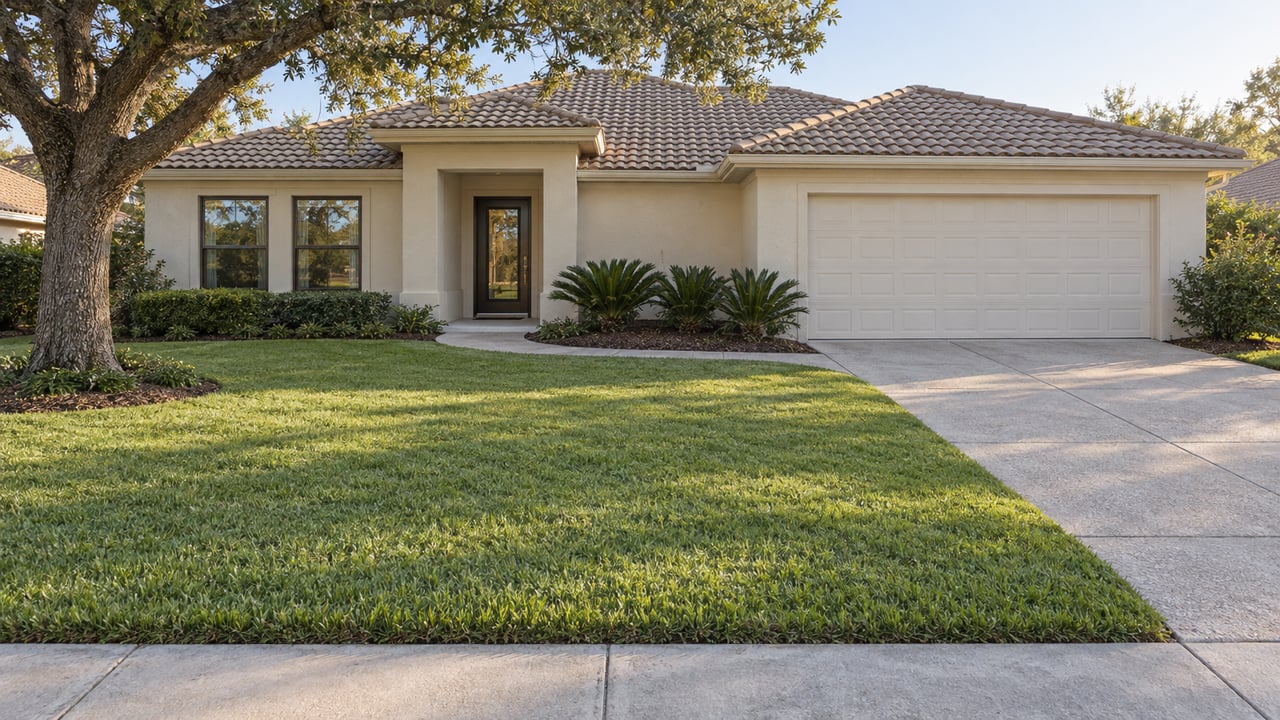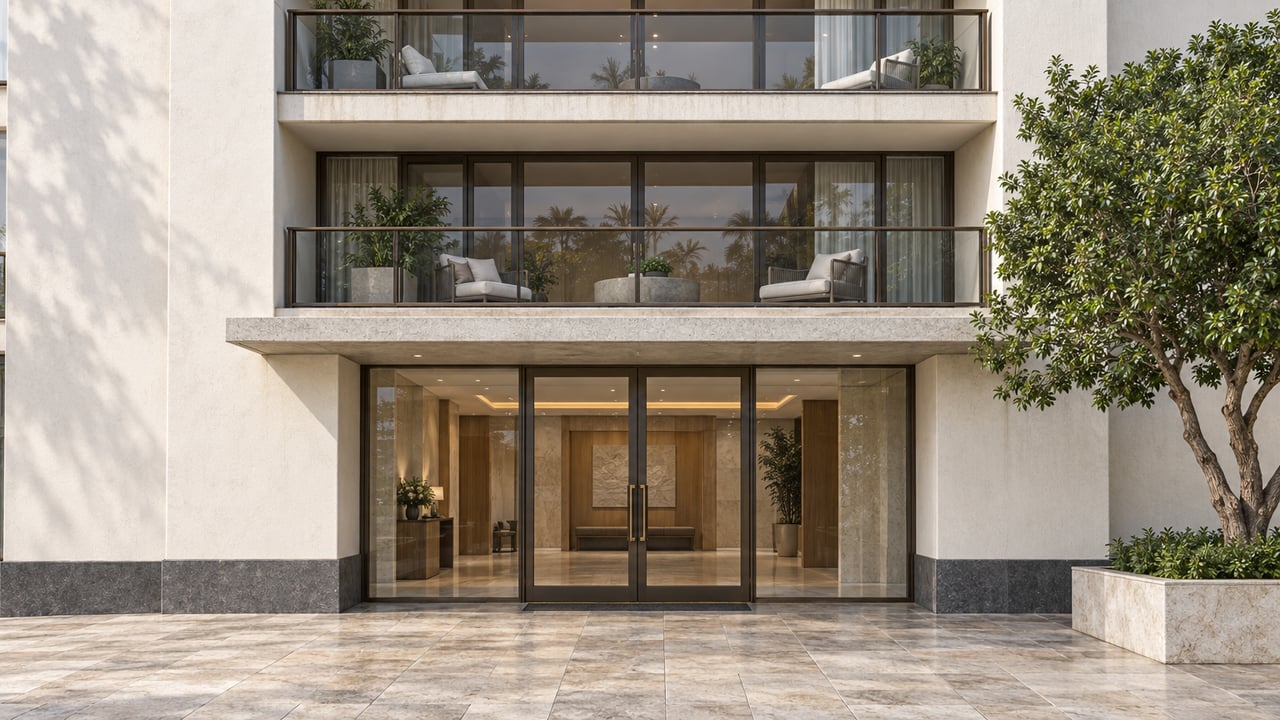
A two-bedroom listed this month at Seddon Cove and a two-bedroom listed this month at Parkcrest Harbour Island can carry almost the same price tag and sit a few minutes' walk from each other. They still represent two very different financial positions. Seddon Cove went up in 1987, the first residential community built on the island, its buildings finished in brick with copper roofs years before Harbour Island had a bridge worth mentioning. Parkcrest arrived in 2005, one of 336 units in a high-rise that helped fill in the island's northern edge. The listing price doesn't tell you how each building's reserve and inspection requirements compare.
That's the comparison most Harbour Island condo shoppers skip. Price per square foot is easy to find. Year built, measured against the state milestone-inspection schedule, is less obvious and can affect inspection timing.
The Rule That Changed on January 1
Florida's response to the 2021 Champlain Towers South collapse in Surfside went through several rounds of legislation, but the version that matters for anyone buying on Harbour Island right now is House Bill 913, which took effect in mid-2025 and reset how condo associations fund reserves starting with the budget adopted for the 2026 fiscal year. Under Florida Statute 718.112(2)(g), owner-controlled associations that existed before July 1, 2022 had to complete their first Structural Integrity Reserve Study by December 31, 2025.
Once that study exists, the board can no longer put reserve funding up for a vote and reduce or waive it, a practice that for decades kept monthly dues lower on older buildings across the state. According to 3Aves Group, industry analysis of completed SIRS reports has found that buildings which used to collect $50 to $100 a month per unit in reserves now need $300 to $800 a month to meet the mandated funding level. That range isn't a projection. It's the gap between what associations were budgeting and what the law now requires them to budget.
Every Building on the Island Is Running a Different Clock
The reserve study is only half the compliance picture. The other half is the milestone inspection required under Florida Statute 553.899, a structural safety review by a licensed engineer that comes due the year a condo building turns 30, or 25 if the local building official decides a building's coastal exposure calls for the earlier schedule. Harbour Island's buildings didn't all go up in the same year, so they're not all hitting that deadline in the same year either.
| Building | Year Built | 30-Year Milestone Year |
|---|---|---|
| Seddon Cove | 1987 | 2017 |
| The Garrison | 2002 | 2032 |
| The Grandview | 2003 | 2033 |
| Parkcrest Harbour Island | 2005 | 2035 |
| The Plaza at Harbour Island | 2007 | 2037 |
Buyers should confirm with the City of Tampa's building department whether any specific address falls under the 25-year coastal schedule instead of the standard 30, since that can move a building's first inspection years earlier than the table above suggests.
Seddon Cove is old enough that its first review is already years behind it. Its brick buildings and copper roofs date to the island's earliest residential development in the 1980s, well before the mid-rise towers that followed. Parkcrest and The Plaza won't face a mandatory milestone inspection until the early-to-mid 2030s under the standard schedule. The table places Parkcrest's and The Plaza's standard milestone years 18 and 20 years after Seddon Cove's, respectively; that timing alone doesn't show how well any of the buildings are funded.
Why the Newest-Looking Building Isn't Automatically the Safer Bet
This is where the obvious read on Harbour Island gets more complicated. The instinct is to treat the 1987 building as the risk and the mid-2000s tower as the safer, more modern choice. But milestone timing alone doesn't settle the reserve-funding comparison.
Parkcrest has a later standard milestone-inspection year than Seddon Cove. Its current dues alone don't establish its reserve funding or long-term ownership costs, and completed SIRS reports across Florida have found a meaningful share of associations underfunded. A lower HOA payment on a 2005 or 2007 building isn't, by itself, proof of lower long-term ownership costs.
Where This Becomes a Financing Problem, Not Just a Budget Line
The compliance question doesn't stay confined to the monthly statement. More than 1,400 Florida condo buildings were sitting on Fannie Mae's restricted list as of a mid-2026 industry review, meaning conventional financing wasn't available for units inside them. Buildings land on that list for a handful of reasons: an incomplete milestone inspection, a SIRS that hasn't been filed, reserve funding below the minimum threshold, inadequate master insurance, or a pending special assessment that materially affects the association's finances.
The timing is what catches buyers off guard. A lender runs the condo project review during underwriting, which means a buyer can go under contract on a Harbour Island unit before learning that the building itself, not anything about the unit, is the reason a loan falls through or the rate changes. Statewide, the pressure on that system is visible in the numbers: Florida recorded 45,025 HOA liens in 2025, up more than 56 percent from 2022, and 9,531 HOA foreclosure filings, the highest of any state. That backdrop is part of why lenders and insurers are paying closer attention to building-level compliance than they used to, not just unit-level condition.
What This Actually Means Before You Write an Offer
None of this argues for avoiding older buildings or newer ones on Harbour Island. It argues for asking the right questions before a monthly HOA number does the deciding for you.
- Request the association's most recent SIRS report and its current funding percentage, not just confirmation that one exists.
- Ask whether the building's milestone inspection, if due, has been completed, and if not, when it's scheduled and with which engineer.
- Read the last two years of board meeting minutes for any mention of a special assessment vote, even a preliminary one that didn't pass.
- Ask your lender to run the building through a current condo project review before you write an offer, not after you're already under contract with less room to walk away.
The Florida Division of Condominiums' own inspection guidance lays out the SIRS and milestone requirements in full, and it's a reasonable starting point for a buyer who wants to check a specific building's status before an agent even gets involved.
If you're comparing units on Harbour Island and want a building's compliance history pulled before you write an offer, Acropolis Realty Group Tampa can walk the reserve study, the milestone schedule, and the financing picture with you, building by building, before the number on the listing becomes the number you're stuck with.
This article is general information, not legal, tax or financial advice. Consult a qualified professional about your situation.